The good, the bad and the ugly
We’ve covered the fundamental four: the sweetness and roastiness of malt, the zesty, floral, and bitter complexities of hops, the microscopic magic of yeast transforming sugars into flavour compounds, and the crucial mineral canvas of water. For centuries, traditionalists argued that these four ingredients were all you needed to make a perfect pint. But I’ll give it to you straight: brewers have always messed around with the recipe.
Adjuncts are the wildcards of the brewing world. Technically, an adjunct is any fermentable or non-fermentable addition that isn’t water, barley, hops, or yeast. This encompasses everything from the flaked corn in a crisp macro-lager to the heavy dose of vanilla beans in a modern pastry stout. When you’re sitting down to evaluate a beer, adjuncts can be the defining characteristic that elevates a good base beer to greatness, or the heavy-handed addition that completely derails it. Let’s look at what happens when brewers start raiding the pantry.
The Good: Adjunct Aces
When used with purpose and restraint, adjuncts create dimensions of flavour that the core four ingredients simply can’t achieve on their own.
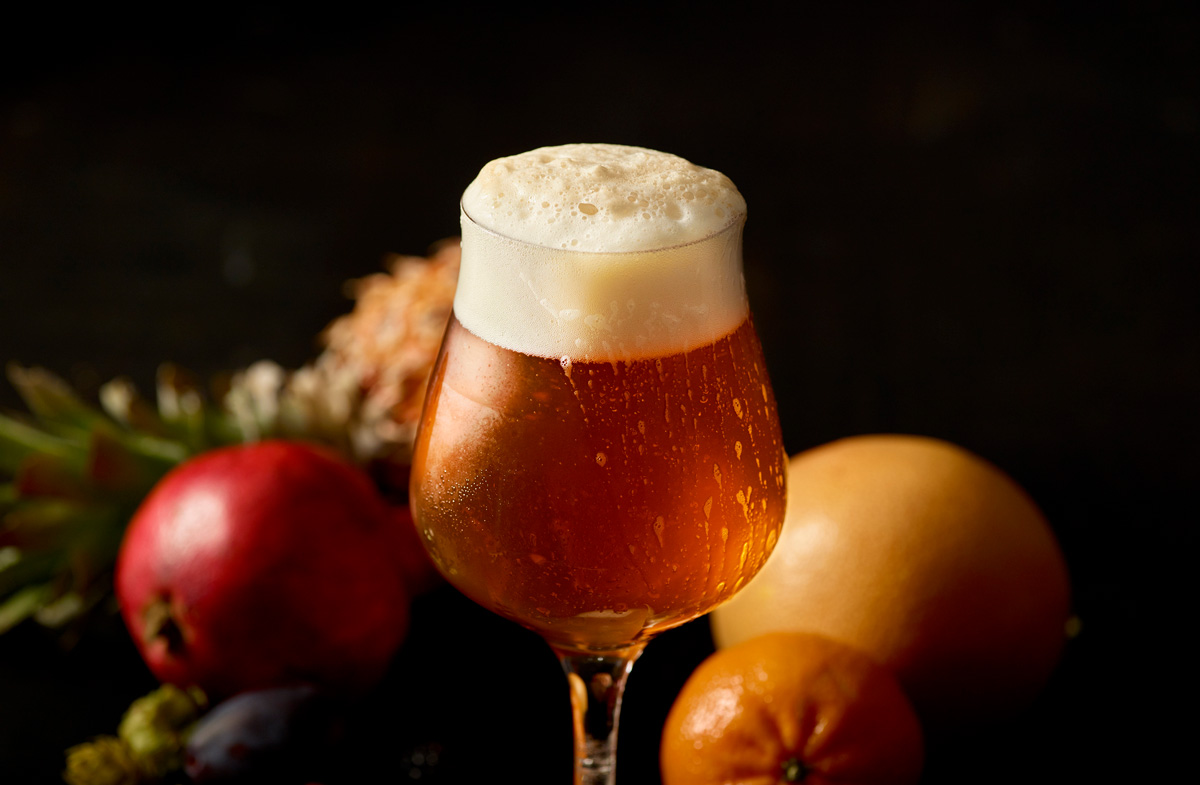
Fruits and zests: Adding fruit puree or zest can impart brilliant, authentic flavours. Think of the bright, refreshing bite of grapefruit zest in a summer ale, or the deep, jammy complexity of raspberries in a sour. When executed well, the addition tastes like actual fruit—vibrant, slightly tart, and perfectly integrated into the base beer.
Alternative sugars: Using additions like honey, maple syrup, or even molasses provides unique fermentable sugars. Molasses, for instance, can introduce deep, rum-like, earthy notes to a robust porter or dark ale while boosting the alcohol content. Because yeast ferments these simple sugars almost completely, they can actually help dry out a beer, lightening the body while leaving behind complex, lingering flavour compounds.
Spices and botanicals: Coriander and bitter orange peel are essential to a traditional Belgian Witbier, adding a citrusy, peppery snap. Coffee and cacao nibs can take a standard stout and amplify its roasted, chocolatey malt profile into a rich, aromatic powerhouse. It’s all about complementing what’s already there.
Cereals and flaked grains: Not all adjuncts are about bold flavours; some are strictly textural. Flaked oats or wheat add proteins and beta-glucans, contributing to that thick, silky mouthfeel and hazy appearance in a New England IPA. Conversely, rice and corn are used in lighter lagers to provide fermentable sugars without adding extra body or malt sweetness, keeping the finish exceptionally crisp.
The Bad: Adjunct Annoyances
This is where brewers lose the plot. The flavours aren’t inherently disgusting, but they miss the mark, often due to a lack of restraint or poor ingredient choices.
The artificial extract trap: We’ve all had a beer that tastes like cheap lip balm or a scented candle. When brewers use artificial flavour extracts (like fake vanilla, synthetic hazelnut, or chemical cherry) instead of the real deal, it leaves a cloying, perfumey note on the palate. It tastes cheap and pulls you entirely out of the beer experience.
Clashing chaos: Just because you can add toasted coconut, cinnamon, and passionfruit to a beer doesn’t mean you should. When too many adjuncts are thrown into the kettle or fermenter, the flavours muddy together. Instead of a complex symphony, you get a noisy, confusing mess where the base beer—the actual malt and hops—is completely lost.
Thinning the herd: Remember how alternative sugars dry out a beer? If a brewer uses too much of those simple sugars in the grain bill, the yeast will chew through it all, leaving behind a beer that feels watery and thin on the palate, completely lacking the supportive backbone that malt provides.
The Ugly: Adjunct Atrocities
No sugar-coating here—these are the absolute worst-case scenarios when brewing with adjuncts. These mistakes result in immediate drain-pours.
Sickly, syrupy sweetness: This is the plague of the modern, over-indulgent pastry stout or heavily fruited sour. If unfermented sugars or heavy fruit purees are dumped in without proper balancing bitterness or acidity, the beer becomes a cloying, syrupy mess. It stops being beer and becomes alcoholic melted ice cream. It coats the throat, ruins the palate, and makes finishing even a 4-ounce pour an absolute chore.
Contamination and infection: Raw adjuncts are covered in wild yeast and bacteria. If a brewer adds untreated fruit, spices, or even cocoa nibs after the fermentation is done without pasteurizing them, they risk infecting the entire batch. This introduces the dreaded unintended sourness, medicinal phenols, or harsh, vinegar-like acetic acid. You wanted a strawberry blonde ale, but you got a band-aid wrapped in a rotten lemon.
Vegetal breakdown: When using certain raw ingredients, especially fresh vegetables, chillies, or even coffee beans left in the beer for too long, they can break down and release pyrazines. This creates a harsh, green, bell-pepper flavour that aggressively clashes with everything else in the glass.
Ultimately, adjuncts are a test of a brewer’s skill and restraint. They should enhance the beer, not cover up flaws or turn the pint into a novelty gimmick. The next time you’re evaluating a spiced winter warmer or a fruited sour, pay attention to the balance. A great adjunct beer is still, first and foremost, a beer.